
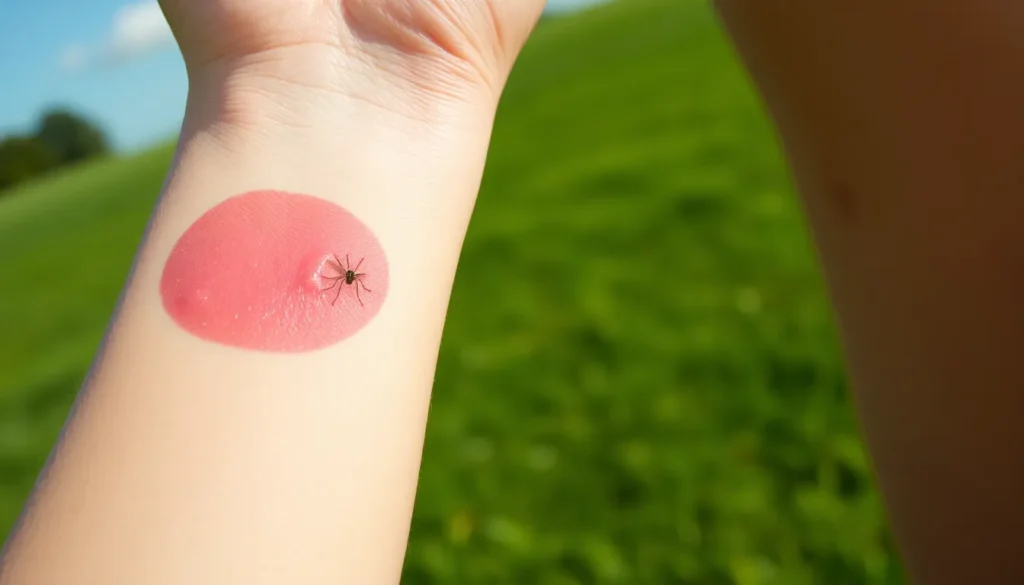
When summer rolls around, so do the pesky mosquitoes. For most, a bite might mean a quick itch and a moment of annoyance. But for others, it can lead to a full-blown drama known as skeeter syndrome. This isn’t just a fancy term for a bad mosquito bite; it’s a real condition that can turn a fun day outdoors into a red, swollen mess.
Understanding Skeeter Syndrome
Skeeter syndrome represents an abnormal reaction to mosquito bites. This condition leads to extreme inflammation and requires attention for those affected.
Definition and Symptoms
Skeeter syndrome occurs when the immune system overreacts to mosquito saliva. Common symptoms include intense swelling, redness, and heat at the bite site. Moreover, individuals may experience systemic reactions like fever, fatigue, or rash in severe cases. Awareness of these symptoms helps distinguish between a typical mosquito bite and skeeter syndrome.
Causes of Skeeter Syndrome
Skeeter syndrome results from an allergy to proteins found in mosquito saliva. When a mosquito bites, it injects saliva along with anticoagulants to facilitate blood feeding. For individuals with skeeter syndrome, this saliva triggers an excessive immune response. Genetic factors may also influence one’s susceptibility to this condition, determining the severity of reactions experienced.
Comparing Skeeter Syndrome vs Normal Bite

Skeeter syndrome and normal mosquito bites differ significantly in their reactions and symptoms. Understanding these distinctions helps in managing the discomfort.
Key Differences
Skeeter syndrome manifests through extreme swelling and redness, often exceeding typical reactions. Affected individuals may experience intense itching and irritation, unlike the mild discomfort associated with standard bites. Normal bites typically cause localized, minor symptoms. In contrast, skeeter syndrome can trigger systemic reactions, including fever and fatigue. The duration of symptoms varies; normal bites resolve within a few days, while skeeter syndrome symptoms can persist longer and may require medical attention. The immune response to mosquito saliva in skeeter syndrome involves an exaggerated reaction, which isn’t present in regular bites.
Similarities
Both skeeter syndrome and normal mosquito bites stem from mosquito saliva. Each reaction involves inflammation at the bite site, with itching being a common experience. Symptoms of both can occur shortly after exposure and may include redness. Additionally, both conditions attract attention, making individuals more aware of their surroundings in mosquito-prone areas. Treatment options, like topical creams, can alleviate itching and discomfort for both reactions. Monitoring the symptoms assists in differentiating between the two, guiding individuals in seeking appropriate care.
Treatment Options
Effective treatment options exist for dealing with skeeter syndrome and normal mosquito bites. Both conditions require targeted approaches to alleviate symptoms.
Home Remedies
Home remedies can provide immediate relief for itchiness and swelling. Applying a cold compress helps reduce inflammation while soothing the bite site. Baking soda paste, made from baking soda and water, can relieve itching. Aloe vera gel offers hydration and cooling effects, making it an excellent choice for soothing irritated skin. Essential oils like tea tree or lavender oil may also help due to their anti-inflammatory properties. These remedies work best when used shortly after a bite occurs.
Medical Interventions
Medical interventions may be necessary for severe reactions. Corticosteroid creams reduce inflammation and itching effectively. Antihistamines, available over the counter, can alleviate allergic reactions by blocking histamine. In cases of significant swelling, healthcare providers may recommend injectable corticosteroids. Individuals with severe allergies might require an epinephrine auto-injector as a precaution. Consulting a healthcare professional ensures appropriate treatment and monitoring of symptoms.
Preventive Measures
Employing preventive measures is essential for reducing the risk of mosquito bites and managing reactions effectively. Seasonal awareness combined with proactive steps can enhance outdoor experiences.
Avoiding Mosquito Bites
Minimizing exposure to mosquitoes is crucial. Wearing long sleeves and pants, especially during peak mosquito hours at dawn and dusk, can significantly lower bite risk. Applying insect repellent containing DEET or picaridin offers another effective layer of protection. Utilizing screens on windows and doors allows ventilation while keeping mosquitoes at bay. Removing standing water around the home further reduces breeding grounds for mosquitoes. Regular maintenance of yards, including trimming foliage and mowing lawns, also limits mosquito habitats.
Managing Reactions
Managing reactions to mosquito bites promptly can alleviate discomfort. Cold compresses applied to bite areas help reduce swelling and itching. Over-the-counter antihistamines provide relief from itching and inflammation for both normal bites and skeeter syndrome. Keeping the affected areas clean prevents infections. Avoiding scratching is vital, as it can worsen irritation. In instances of severe reactions, consulting a healthcare professional ensures appropriate treatment, which may include corticosteroids or injectable options. Awareness of one’s own symptoms and immediate responses can significantly improve the management of mosquito bite reactions.
Understanding the differences between skeeter syndrome and normal mosquito bites is essential for effective management. While normal bites may cause minor irritation that resolves quickly, skeeter syndrome can lead to significant discomfort and requires more attention. Recognizing the symptoms and knowing when to seek medical help can make a difference in treatment and recovery.
Preventive measures play a vital role in reducing the risk of bites, ensuring that outdoor activities remain enjoyable. By staying informed and taking proactive steps, individuals can better navigate the challenges posed by mosquitoes and protect themselves from unwanted reactions.