
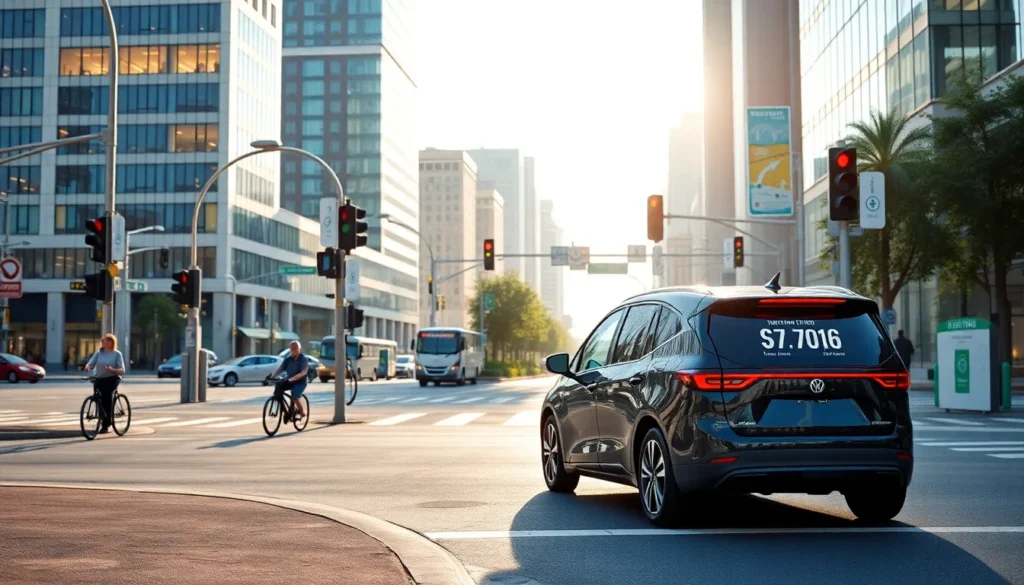
Imagine a world where your car knows how much gas it has left and can even suggest the nearest gas station – sounds convenient, right? Welcome to the Internet of Things (IoT) in transportation. This isn’t just about tech nerds geeking out over gadgets. Instead, it’s about creating smarter, safer, and more efficient transportation systems that benefit us all. Buckle up as we explore how IoT is not just a buzzword but a game-changer in the way we think about mobility.
Understanding The Internet Of Things (IoT)

Defining IoT
The Internet of Things, or IoT, refers to the network of interconnected devices that communicate and exchange data with one another. These devices can range from everyday items like smart thermostats to complex systems such as traffic management software. In transportation, IoT forms a bridge between vehicles, infrastructure, and users, creating an ecosystem where real-time information flows seamlessly to optimize transit experiences. This connectivity transforms not just how vehicles operate but also how they interact with their environment.
Importance Of IoT In Modern Transport
Key Benefits Of IoT In Transportation
First off, let’s talk about the key benefits. One major advantage of IoT in the transportation sector is improved traffic management. By analyzing data from connected vehicles and road sensors, cities can optimize traffic signals, reduce congestion, and enhance overall travel times.
Enhanced Safety And Security
Next on the list is safety. IoT-enabled vehicles can detect potential hazards and communicate with one another to avoid collisions. Imagining a world where accidents are significantly reduced feels like a sci-fi movie plot. Yet, with IoT’s predictive analytics and enhanced vehicle systems, that reality is closer than ever.
Improved Operational Efficiency
Then consider operational efficiency. Fleet managers can monitor vehicle performance in real time, allowing for better maintenance schedules and reduced downtime. This not only saves money but also extends the lifespan of the vehicles and optimizes fuel consumption.
Real-Time Data Processing
Finally, there’s real-time data processing. By harnessing the power of IoT, transportation services can respond to changes dynamically. For example, ride-sharing applications can modify routes based on current traffic conditions instantly. This ensures a smoother ride for the user while maximizing resource utilization.
Challenges In Implementing IoT In Transportation
Data Privacy And Security Concerns
Even though all the advantages, the road to IoT transportation isn’t without its potholes. One significant challenge lies in data privacy and security. With vast amounts of personal and operational data constantly being transmitted, the risk of data breaches increases. Protecting this data must be a priority to truly harness IoT technology.
Infrastructure Readiness
Also, infrastructure readiness poses a hurdle. Many regions lack the necessary technological frameworks to support these innovations. Investments in upgrading existing systems or building new ones are essential for successful IoT integration in transportation.
Interoperability Between Systems
And let’s not forget about interoperability. Different IoT devices and systems must work together seamlessly for the technology to be effective. This involves overcoming proprietary systems that inhibit communication between devices and platforms, creating a cohesive IoT network.
Future Trends In IoT Transportation
Autonomous Vehicles And IoT
Now, what does the future hold? One exciting trend is the rise of autonomous vehicles. With IoT technology, these self-driving cars can share real-time data with one another and infrastructure, making decisions that enhance safety and efficiency. Imagine hopping into your car, inputting a destination, and letting technology take care of the rest.
Smart Logistics And Supply Chain Management
Another vital area is smart logistics. IoT applications will streamline supply chains by providing visibility into every stage of the process. Sensors can monitor and track shipments, leading to more accurate delivery times and reducing waste.
Integrated Urban Mobility Solutions
Finally, integrated urban mobility solutions are on the horizon. Cities will increasingly leverage IoT to create a seamless experience that connects different modes of transportation, bikes, buses, subways, and cars. This integration will make commuting more convenient and efficient, reducing urban congestion and pollution.