

Imagine a world where your fridge knows when you’re out of milk, your thermostat adjusts to your preferences, and your coffee brews just before you wake up, welcome to the Internet of Things (IoT). This magical-sounding concept isn’t just fairy tales spun by tech wizards: it’s revolutionizing how we interact with our everyday devices. If you’re keen to jump into the exciting realm of IoT application development, buckle up. In this text, we’ll unravel the complexities of IoT, explore its key components, and equip you with tools and best practices to construct remarkable applications that will define our future. Let’s get started.
Understanding The Internet Of Things
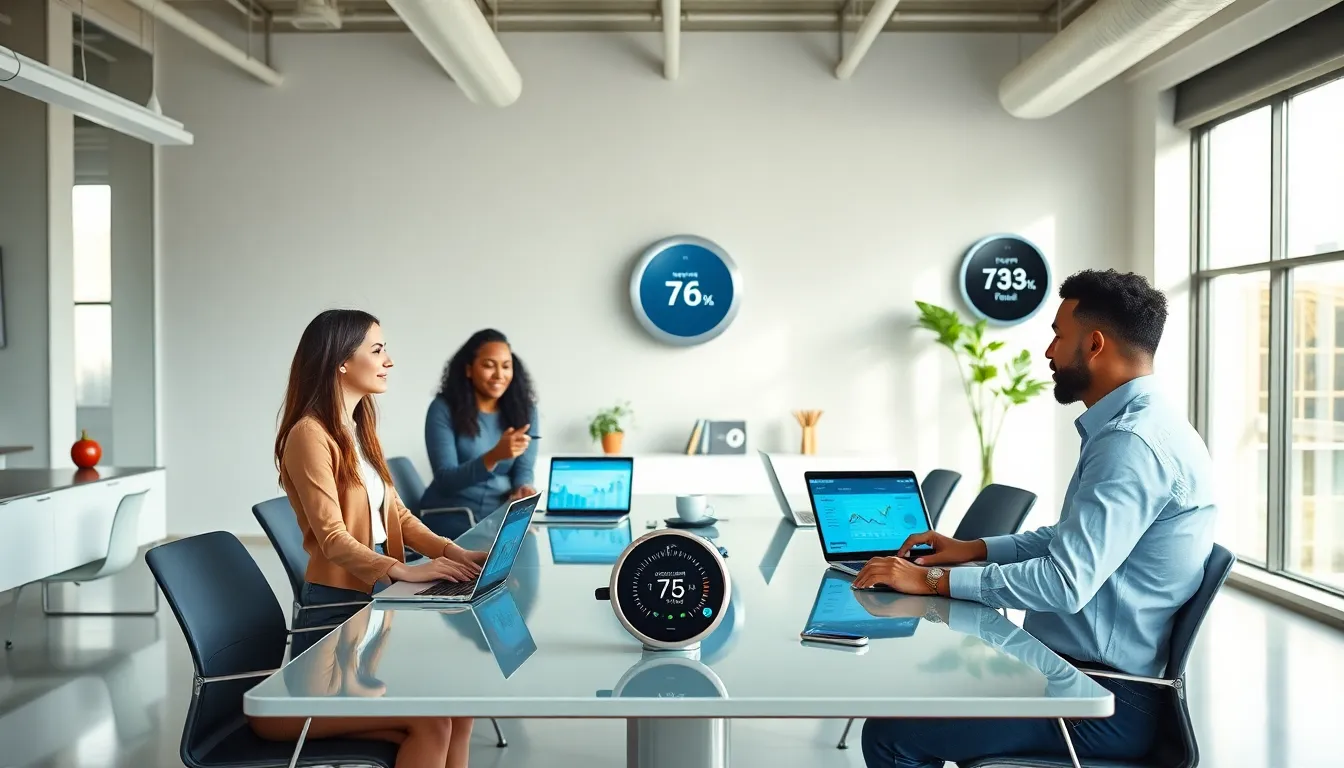
The Internet of Things consists of a network of interconnected devices that communicate and share data with each other via the internet. But what does that actually mean in practical terms? Let’s break it down.
Devices such as sensors, home appliances, and wearables are all part of the IoT ecosystem. They collect real-time data, analyze it, and often automate tasks based on that information. For example, a smart thermostat can learn your heating preferences and adjust itself, ensuring you never endure the blustery chill of winter again, unless you forgot to pay the heating bill.
Businesses, too, leverage IoT to enhance operations. Smart machinery can monitor equipment health and prevent breakdowns before they happen. It’s about more than just creating convenience: IoT drives efficiency, cost savings, and a deeper understanding of consumer behavior.
Key Components Of IoT Applications
IoT applications are built on several critical components that work harmoniously to deliver seamless functionality. At their core, the following elements are indispensable:
- Devices and Sensors: These are the eyes and ears of IoT. They gather data from the environment, everything from temperature to light levels.
- Connectivity: Without proper communication, IoT devices are about as useful as a toaster in a swimming pool. Connectivity options vary: Wi-Fi and cellular networks are popular choices, along with newer protocols like LPWAN (Low Power Wide Area Network).
- Data Processing: Once data is collected, it needs interpretation. This is often carried out in the cloud, where sophisticated algorithms analyze trends and provide insights.
- User Interface: All that brainpower is useless unless users can interact with it. A well-designed app or dashboard is essential for presenting information in a consumable format.
Understanding these components is crucial for anyone venturing into IoT application development. They are the building blocks that contribute to functionality and user engagement.
Development Frameworks And Tools
When embarking on IoT application development, the choice of frameworks and tools can make or break the experience. Here are some notable options:
- Node-RED: This open-source tool provides a browser-based flow editor. Developers can create applications by wiring together devices, APIs, and online services.
- Arduino and Raspberry Pi: Widely favored for prototyping, these platforms serve as excellent introductions to coding hardware interactions and IoT applications.
- AWS IoT Core: For robust, scalable applications, Amazon’s IoT platform offers secure connectivity between devices and the cloud, along with machine learning capabilities.
- Microsoft Azure IoT Suite: This suite provides a comprehensive set of tools for building data-driven applications geared towards enhancing user experiences.
Choosing the right tool depends on the project scope, complexity, and technical expertise. Experiment with different frameworks to find the best fit.
Challenges In IoT Application Development
No journey is without hurdles, and IoT application development is no exception. Here are common challenges that developers often face:
- Security: With so many devices connected, a serious vulnerability in one could jeopardize the entire network. Implementing robust security measures is paramount.
- Data Management: The sheer volume of data generated can overwhelm systems. Effective strategies for data storage, processing, and analysis need to be in place.
- Interoperability: Different devices from various manufacturers may struggle to communicate. Ensuring compatibility between devices is crucial for seamless user experiences.
- Energy Consumption: Many IoT devices are battery-powered. Striking a balance between functionality and low energy use can be complicated but necessary.
Recognizing these challenges early allows developers to strategize effectively, paving the way for smoother project execution.
Best Practices For Successful IoT Development
To navigate the complexities of IoT application development successfully, consider these best practices:
- Start Small: If new to IoT, begin with a small, manageable project. This allows for a learning curve without overwhelming challenges.
- Prioritize Security: Make security a priority from the get-go. Employ encryption and regular updates to minimize vulnerabilities.
- User-Centric Design: Always keep the user in mind. An intuitive interface will increase user satisfaction and application adoption.
- Iterate and Adapt: Be prepared to iterate based on feedback. Gathering user input throughout the development process is invaluable.
- Test Rigorously: Comprehensive testing is essential. Ensure devices interact correctly and that disruptions in connectivity do not negatively impact functionality.
Adhering to these best practices can vastly improve the chances of launching a successful IoT application.
Future Trends In IoT Application Development
The landscape of IoT application development continues to evolve at breakneck speed. Here are some future trends to keep an eye on:
- 5G Technology: With its promise of incredibly fast, reliable connections, 5G will unlock new capabilities for IoT devices, enabling real-time data processing.
- AI Integration: As artificial intelligence becomes ever more integrated, applications will gain enhanced predictive capabilities, making them smarter and more intuitive.
- Edge Computing: Processing data closer to the source, rather than relying solely on the cloud, allows for quicker decision-making and reduced latency.
- Sustainability Focus: As concern about energy consumption grows, developers will gravitate towards green technologies and energy-efficient designs.
These trends signal a thrilling future for IoT application development, promising innovations that can shape everyday life.


