
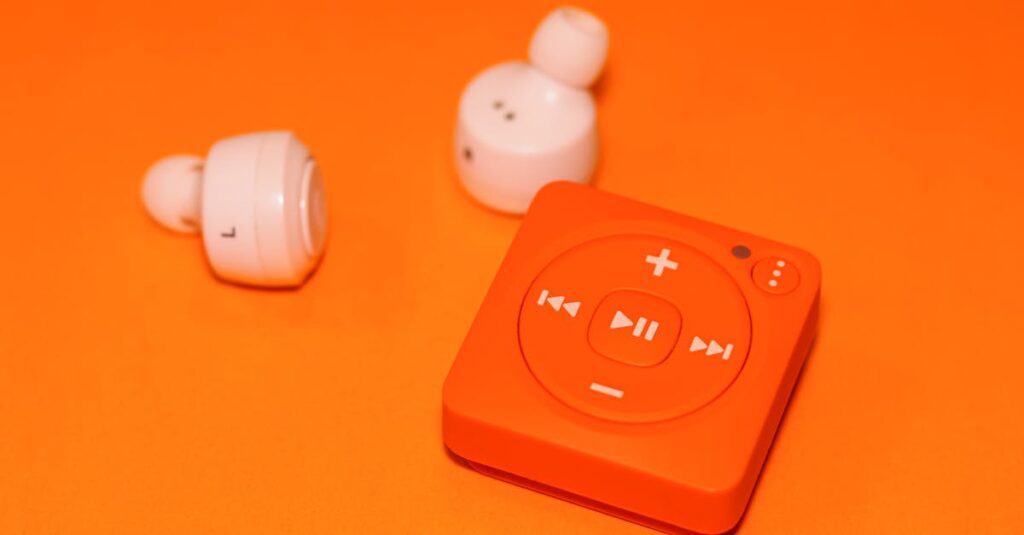
In a world where your wrist can tell you more than your best friend, intelligent wearable devices are taking center stage. Imagine a gadget that not only tracks your steps but also monitors your heart rate, sleep patterns, and even your mood—talk about a multitasker! These devices are like having a personal assistant that fits snugly on your arm and doesn’t complain about coffee breaks.
With technology advancing faster than you can say “smartwatch,” it’s clear that these wearables are more than just trendy accessories. They’re revolutionizing health and fitness, making it easier for anyone to stay on top of their game. Whether you’re a fitness fanatic or someone who just wants to count how many times you’ve walked to the fridge, intelligent wearables are here to help—and they do it with style.
Table of Contents
ToggleOverview of Intelligent Wearable Devices
Intelligent wearable devices integrate technology into daily routines, transforming health and fitness management. These gadgets appeal to users ranging from fitness enthusiasts to those seeking basic activity tracking.
Definition and Types
Intelligent wearable devices refer to electronic gadgets worn on the body that collect data on various metrics. Common types include fitness trackers, smartwatches, and smart clothing. Fitness trackers monitor physical activities like steps and calories burned. Smartwatches combine traditional watch functions with notifications, health monitoring, and lifestyle apps. Smart clothing incorporates sensors to track muscle activity and heart rate, offering real-time feedback.
Key Features and Technologies
Advanced sensors form the backbone of intelligent wearable devices. These sensors enable tracking of heart rate, sleep patterns, and even blood oxygen levels. Short-range wireless technologies like Bluetooth allow devices to synchronize with smartphones for data management. Battery life varies across devices, commonly ranging from several days to weeks. User-friendly interfaces enhance accessibility, facilitating ease of navigation. Analytics and insights gathered from the data support users in making informed health decisions.
Benefits of Intelligent Wearable Devices
Intelligent wearable devices offer numerous advantages that enhance health, fitness, and daily living. These gadgets improve user experience through advanced tracking capabilities and seamless connectivity.
Health and Fitness Tracking
Health and fitness tracking remains a primary benefit of intelligent wearable devices. Users monitor real-time data, including heart rate, calories burned, and sleep quality. Specific metrics help individuals set and achieve fitness goals efficiently. Trackers also provide insights into activity levels, promoting a balanced lifestyle. By leveraging these metrics, users can make informed health decisions and modify routines as necessary. Devices such as smartwatches and fitness bands facilitate this monitoring process, providing comprehensive health insights at a glance.
Convenience and Connectivity
Convenience and connectivity enhance the appeal of intelligent wearable devices. These gadgets sync effortlessly with smartphones, allowing users to receive notifications and control music directly from their wrists. Smart functions enable voice commands for hands-free operation, providing an intuitive user experience. Users manage tasks like checking messages or making calls without reaching for their phones. Moreover, integration with mobile apps streamlines data analysis, keeping health and fitness goals accessible. In busy lifestyles, maintaining connectivity becomes crucial, making these devices indispensable.
Popular Brands and Models
Numerous brands excel in the intelligent wearable device market, offering a variety of models tailored to different needs.
Smartwatches
Prominent brands like Apple, Samsung, and Garmin lead the smartwatch category. These devices blend advanced technology with stylish designs. Apple’s latest model features ECG monitoring and fitness tracking benefits. Samsung’s Galaxy Watch series offers robust health metrics and a customizable interface. Garmin specializes in outdoor and sports-focused smartwatches, ensuring durability and extensive tracking features for athletes. Each smartwatch meets diverse lifestyle demands, making them widely favored among consumers.
Fitness Trackers
Brands such as Fitbit and Xiaomi dominate the fitness tracker segment. Fitbit devices stand out with their comprehensive health monitoring features, including heart rate tracking and sleep analysis. The Charge series, for instance, appeals to fitness enthusiasts with its built-in GPS and guided breathing exercises. Xiaomi’s Mi Band series offers budget-friendly options while providing essential tracking functionality. Both brands emphasize ease of use and reliability, contributing to a growing user base dedicated to fitness and health monitoring.
Smart Clothing
Innovative brands like Under Armour and Nike are making strides in the smart clothing sector. Under Armour’s UA HOVR line integrates sensors that track performance metrics, enhancing workout evaluation. Nike’s Adapt line showcases self-lacing technology, complementing its performance-enhancing capabilities. Smart clothing offers comfort combined with real-time data, encouraging users to elevate their fitness routines. As the industry evolves, technical advancements continue to redefine what users expect from their fitness apparel.
Challenges and Considerations
Intelligent wearable devices bring numerous advantages, but several challenges and considerations impact their effectiveness.
Privacy and Security Concerns
Data privacy raises significant issues for users. Wearable devices collect sensitive health information, leading to heightened concerns about unauthorized access. Manufacturers must implement robust security measures to protect user data. Transparency in data handling fosters trust among users. Regulatory frameworks like GDPR enforce strict data practices, influencing how companies manage user information. Users should also be proactive, understanding privacy policies and using devices with strong security features to safeguard personal health metrics.
Battery Life and Maintenance
Battery life affects the overall user experience significantly. Many intelligent wearables require frequent charging, interrupting usability. Advanced sensors and connectivity features often drain batteries quickly. Users should look for devices with efficient battery management systems for extended usage. Regular maintenance of these gadgets, including software updates, enhances performance and longevity. Selecting wearable devices with solid battery life ensures consistent functionality, allowing users to track health metrics without disruption.
Future Trends in Intelligent Wearable Devices
Innovation continues to drive the future of intelligent wearable devices, shaping their roles in daily life and health management. Upcoming trends reflect advancements in technology and deeper integration into smart home systems and the Internet of Things (IoT).
Advancements in Technology
Emerging technologies enhance wearables, making them more effective for users. Enhanced sensors monitor a wider range of health metrics with greater accuracy. Machine learning algorithms analyze data patterns, enabling personalized health insights. Compact designs optimize comfort while maintaining functionality. Developers increasingly emphasize battery efficiency to reduce the frequency of recharging. Transitioning to advanced materials, manufacturers create wearables that withstand rigorous activities. Continuous software updates improve performance and introduce new features, keeping devices current and valuable.
Integration with Smart Homes and IoT
Wearable devices are becoming integral components of smart home ecosystems. They interact seamlessly with smart appliances and alarms, enhancing user convenience. Users control their home environments through health data insights from wearables. For instance, smart thermostats adjust based on user activity patterns. Connectivity with security systems allows wearables to send alerts directly to users’ smartphones. Intelligent routines optimize energy savings while considering individual health metrics. Companies are focusing on interoperability to ensure devices communicate effectively, creating a cohesive user experience.
The evolution of intelligent wearable devices marks a significant shift in how individuals approach health and fitness. These devices are not just accessories; they’re essential tools that empower users to take control of their well-being. With advanced tracking capabilities and seamless connectivity, they enhance daily living and promote healthier lifestyles.
As technology continues to advance, the potential of wearables will only grow. Users can expect even more accurate health monitoring and personalized insights that cater to their unique needs. The integration of wearables into smart home ecosystems will further enrich user experiences, making it easier to manage health and fitness goals. Embracing these innovations will undoubtedly lead to a more informed and balanced approach to personal health.