

Food has come a long way from simple bread and cheese. Today, innovative food science and emerging technologies are revolutionizing how we grow, distribute, and even think about our meals. If you’ve ever puzzled over how that avocado you’re eating managed to travel thousands of miles without turning into a mushy mess, or maybe you’ve simply been bewitched by a concoction that claims to be both organic and lab-enhanced, you’re not alone. In this journey through the intriguing realm of food innovation, let’s jump into how technology is reshaping what ends up on our plates while keeping it clear, knowledgeable, and maybe just a tad humorous. Buckle up: it’s going to be a delicious ride.
Overview Of Food Science Innovations
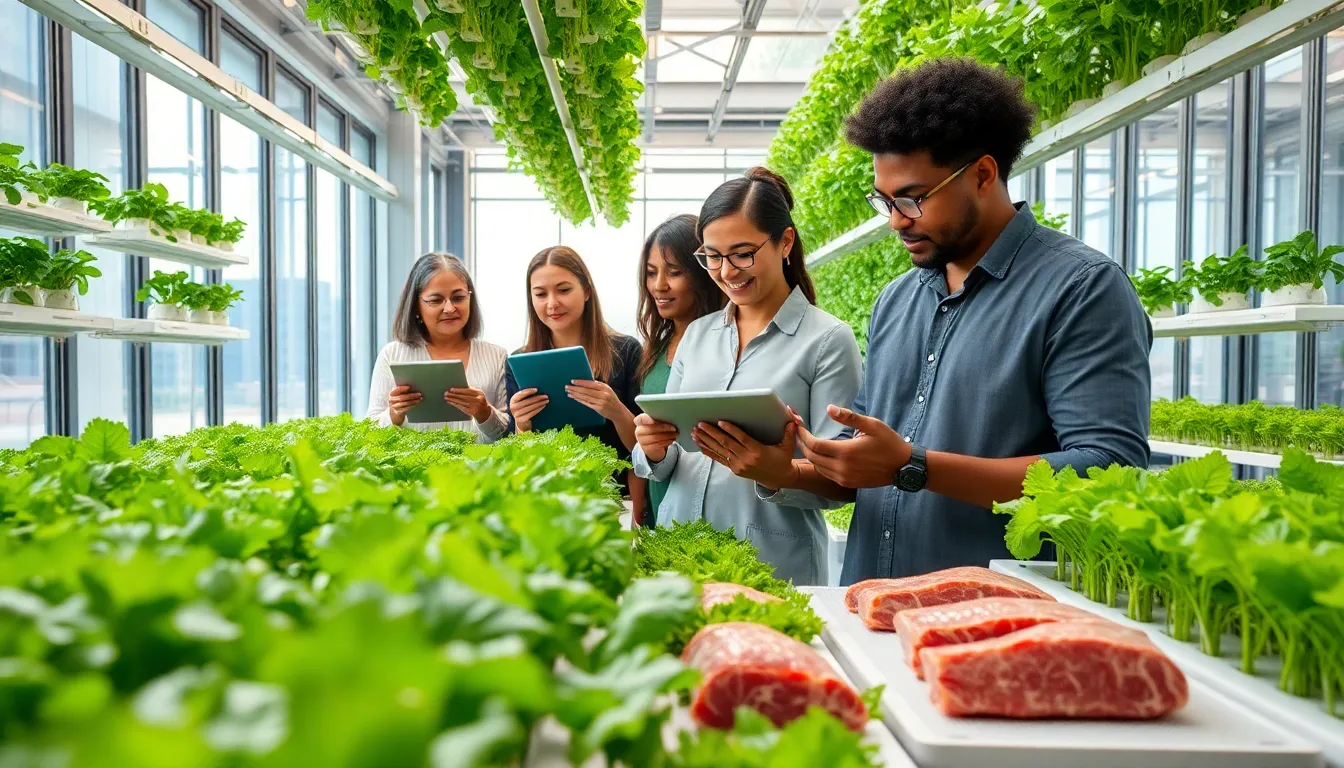
Food science, at its core, focuses on understanding the physical, biological, and chemical makeup of food. It goes beyond just cultivating crops and raises vital questions about nutrition, safety, and flavor. Recent innovations have made food science more exciting than ever. Think about high-tech farming methods, such as vertical farms that sprout fresh greens in urban landscapes, reducing transportation costs and ensuring fresher produce.
Also, lab-grown meat has emerged on the scene, allowing for environmentally friendly alternatives to traditional meat sources. Notably, these innovations are bringing us closer to sustainable practices while addressing the ever-increasing global food demand. In essence, food science is becoming less about what we eat and more about how we produce it.
Key Emerging Technologies In Food Production
The landscape of food production is rapidly changing due to breakthrough technologies.
The Role Of Artificial Intelligence In Food Science
AI is turning heads with its capabilities, incorporating data analysis and machine learning into food production. Restaurants are adopting AI for everything from optimizing inventory to creating tailored menus based on consumer trends. Imagine a system that predicts the next big food craze, AI can crunch data faster than any human chef could.
Biotechnology And Genetic Engineering Advances
Biotechnology has been a game-changer in crops and livestock. Techniques like CRISPR enable scientists to edit genes, creating crops that can withstand pests, diseases, and climate extremes. This is not just about increasing yield: it’s about producing more nutritious food. With biotechnology, it’s possible to engineer fruits and vegetables that are richer in vitamins while reducing the need for chemical pesticides.
Sustainability Through Innovative Practices
Sustainability isn’t merely a buzzword in food science: it’s a necessity.
Food Safety And Quality Control Improvements
One of the most significant innovations is enhanced food safety procedures. Technologies like smart packaging can monitor freshness and alert consumers if food has been compromised. With foodborne illnesses on the rise, this proactive approach can save lives.
The Impact Of Blockchain On Food Traceability
Blockchain technology is shaking things up by improving transparency in the food supply chain. Imagine knowing every step your avocado took to get to your table, from the farm, through processing, all the way to the grocery store. With each transaction recorded securely, consumers can trust that what they’re eating is what it claims to be.
Future Trends In Food Technology
Looking ahead, several trends are set to shape the future of food technology.
Consumer Acceptance And Ethical Considerations
Not all innovations are immediately welcomed. There’s a growing shift toward ethical consumption, and with it comes skepticism about genetically modified organisms (GMOs) and lab-grown products. As food scientists innovate, they must also focus on providing transparency, so consumers can make informed choices. The challenge lies in balancing technological advancement with consumer ethics and preferences.


