

In a world where fossil fuels are about as popular as a three-hour meeting, clean energy tech is stepping into the spotlight. Imagine a future where the sun powers your morning coffee and the wind fuels your weekend road trip. It’s not just a dream; it’s happening right now. With innovation racing ahead faster than a kid on a sugar high, clean energy solutions are transforming how we power our lives.
From solar panels that double as art to wind turbines that look like modern sculptures, clean energy tech is turning heads and changing minds. It’s not just about saving the planet; it’s about creating a sustainable lifestyle that’s as exciting as it is necessary. Dive into the electrifying world of clean energy and discover how it’s not only good for the environment but also a fantastic investment for the future.
Overview of Clean Energy Tech
Clean energy technology encompasses a range of innovations designed to harness renewable resources. Solar energy utilizes photovoltaic cells to convert sunlight into electricity. Wind power relies on turbines that capture wind movement to generate energy. Together, these technologies play a crucial role in reducing dependence on fossil fuels.
Geothermal energy taps into the Earth’s internal heat, providing a stable and sustainable power source. Hydropower exploits the flow of water in rivers and dams to produce electricity efficiently. Each clean energy solution contributes uniquely to a balanced energy portfolio.
The manufacturing process of solar panels has evolved, making them more efficient and visually appealing. Wind turbine designs have advanced, ensuring they are both powerful and less intrusive in landscapes. These advancements showcase the commitment to merging technology with environmental consideration.
Investment in clean energy tech continues to grow, with global market values reaching substantial figures. The International Renewable Energy Agency reported a rise in renewable energy jobs, emphasizing the sector’s potential for economic growth. Stakeholders demonstrate increasing interest in funding innovative energy projects.
Policies supporting renewable energy adoption play an essential role in the transition to sustainable power. Governments worldwide implement incentives that encourage the development of clean energy solutions. Organizations that prioritize sustainability increasingly look for partnerships within this expanding market.
Clean energy technology stands as a promising alternative to traditional energy sources. The diversification of energy solutions enhances energy security while actively combating climate change. The integration of these technologies into everyday life marks a step forward in achieving environmental goals.
Types of Clean Energy Technologies
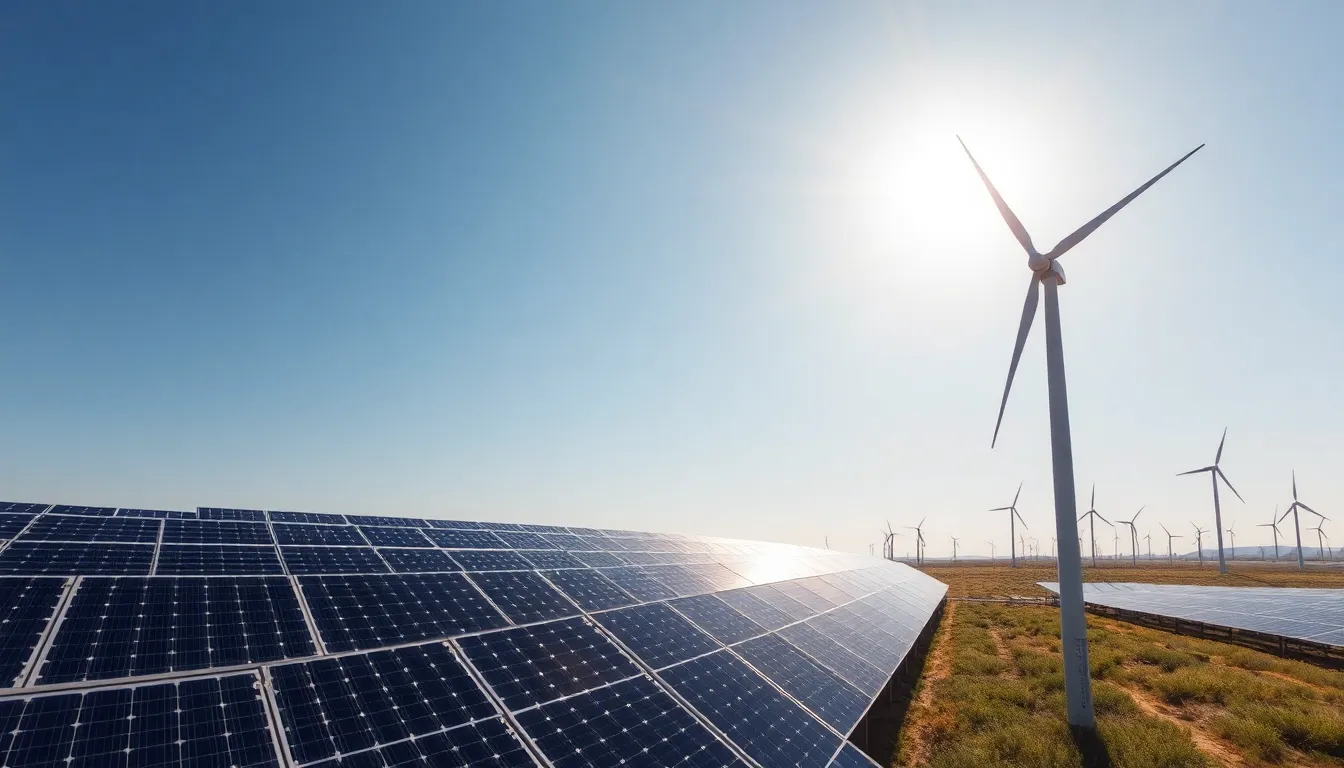
Various clean energy technologies play crucial roles in reducing reliance on fossil fuels. This section explores prominent categories, highlighting their innovations and developments.
Solar Power Innovations
Solar power technologies have seen substantial advancements in recent years. Photovoltaic cells now incorporate materials like perovskite, which enhance efficiency and reduce production costs. Bifacial solar panels capture sunlight on both sides, increasing energy generation. Innovations in concentrated solar power utilize mirrors or lenses to concentrate sunlight, providing reliable energy even during cloudy conditions. The integration of energy storage systems further optimizes solar energy, enabling consistent power availability.
Wind Energy Developments
Wind energy technology has experienced notable improvements, with larger turbines becoming common. Turbines now often exceed 3 megawatts in capacity, allowing for increased energy production per installation. Enhanced aerodynamic blade designs reduce noise and increase efficiency, capturing more energy from passing winds. Offshore wind farms are expanding rapidly, benefiting from stronger and more consistent wind patterns. Innovations in floating wind turbines also enable deployment in deeper waters, expanding usable wind energy areas.
Emerging Technologies
Emerging technologies continue to revolutionize the clean energy landscape. Wave energy converters transform ocean energy into electricity, providing an alternative energy source near coastal regions. Hydrogen fuel cells demonstrate potential for clean energy storage and transportation solutions. Bioenergy technologies harness organic materials, promoting waste reduction while generating energy. Furthermore, advancements in grid integration technologies enhance the overall efficiency and resilience of clean energy systems.
Benefits of Clean Energy Tech
Clean energy technology offers numerous advantages that positively influence environmental health and economic growth. Understanding these benefits highlights the importance of transitioning to renewable energy sources.
Environmental Impact
Clean energy tech significantly reduces greenhouse gas emissions. Solar and wind power produce electricity without air pollution, contributing to cleaner air and better public health. Utilizing renewable resources helps mitigate climate change, preserving ecosystems. Energy technologies such as hydropower and geothermal reduce reliance on fossil fuels, supporting biodiversity. Adopting clean energy solutions leads to a sustainable energy future, ensuring vital resources for subsequent generations.
Economic Advantages
Investing in clean energy tech creates jobs in various sectors, including manufacturing and installation. The global renewable energy market is expected to reach over $1 trillion by 2027, offering substantial opportunities for economic development. Clean energy projects stimulate local economies and provide stability against volatile fossil fuel prices. Additionally, reduced energy costs enhance consumer savings. As nations prioritize renewable energy, financial incentives catalyze innovation, further solidifying the industry’s growth and resilience.
Challenges Facing Clean Energy Tech
Clean energy technology faces several critical challenges that must be addressed for broader adoption. Key obstacles include technological barriers and complex policy and regulation issues.
Technological Barriers
Adoption of clean energy technology encounters various technological challenges. High production costs hinder the development of renewable energy sources. Limited energy storage solutions restrict the reliability of solar and wind power during adverse weather conditions. Performance of solar panels and wind turbines can degrade over time, affecting long-term efficiency. Additionally, the scale of infrastructure needed to support renewable energy generation often presents logistical challenges. Innovations must focus on improving efficiency and reducing costs to enhance market competitiveness.
Policy and Regulation Issues
Frameworks governing clean energy technology remain complex and inconsistent. Different countries require various incentives and standards, creating uncertainty for investors. Regulations often lag behind rapid advancements in technology, delaying implementation of new solutions. Competing interests in the fossil fuel sector complicate decision-making for policymakers. Comprehensive policies that encourage investment in renewables and streamline permitting processes are essential for accelerating adoption of clean energy technologies.
Future Trends in Clean Energy Tech
Emerging technologies in clean energy reshape how society approaches power generation. Innovations are evident in solar power, particularly with perovskite materials enhancing photovoltaic efficiency. Bifacial solar panels capture sunlight from both sides, increasing overall energy yield.
Advancements in wind energy also stand out. Larger, more efficient turbines maximize energy capture while improved aerodynamic designs reduce drag. Offshore wind farms expand, utilizing vast ocean areas to generate clean power effectively.
Hydrogen fuel cells gain traction as a versatile energy solution. These systems convert hydrogen into electricity, offering potential for transportation and heavy industries. Similarly, wave energy converters exploit ocean waves, showcasing untapped resources in renewable energy generation.
Geothermal energy continues to evolve alongside solar and wind. Enhanced geothermal systems increase accessibility to underground heat sources for electricity production. Hydropower also sees modernization, with small-scale projects minimizing environmental impacts while maximizing energy output.
Countries worldwide invest heavily in clean energy, driving economic growth and job creation. Projections indicate that the global renewable energy market will exceed $1 trillion by 2027. Supportive policies play a critical role in fueling this momentum, encouraging businesses to adopt innovative solutions.
Logistical challenges, however, remain prevalent. Infrastructure requirements for renewable energy generation often complicate larger-scale implementations. Regulatory frameworks need streamlining to eliminate uncertainty and expedite project initiation.
Investment in clean energy technologies showcases a commitment to sustainability. Prioritizing renewable solutions enhances energy security while actively combating climate change. Organizations that embrace these trends will not only contribute to a healthier planet but also capitalize on the economic potential of the clean energy sector.
The future of clean energy technology promises a transformative shift in how society generates and consumes energy. As innovations continue to emerge and investment grows, the potential for a sustainable and economically viable energy landscape becomes increasingly tangible.
While challenges remain, the commitment to overcoming these obstacles is evident in the advancements being made across various sectors. By fostering supportive policies and encouraging public and private investment, the transition to renewable energy can accelerate.
Embracing clean energy not only contributes to environmental sustainability but also offers significant economic benefits. As the world moves toward a greener future, clean energy technology stands as a beacon of hope for both the planet and its inhabitants.