

In today’s fast-paced digital landscape, understanding IT infrastructure isn’t just important, it’s essential. But what’s even more exciting? The emerging technologies reshaping it at lightning speed. Picture this: as companies scramble to keep up, some are riding the wave of innovation while others are barely able to paddle. Don’t find yourself in the latter group. Grab a cup of coffee (or an energy drink), and let’s jump into the fascinating intersection of IT infrastructure and emerging technologies. It’s like a tech rollercoaster, and everyone’s invited.
Understanding IT Infrastructure
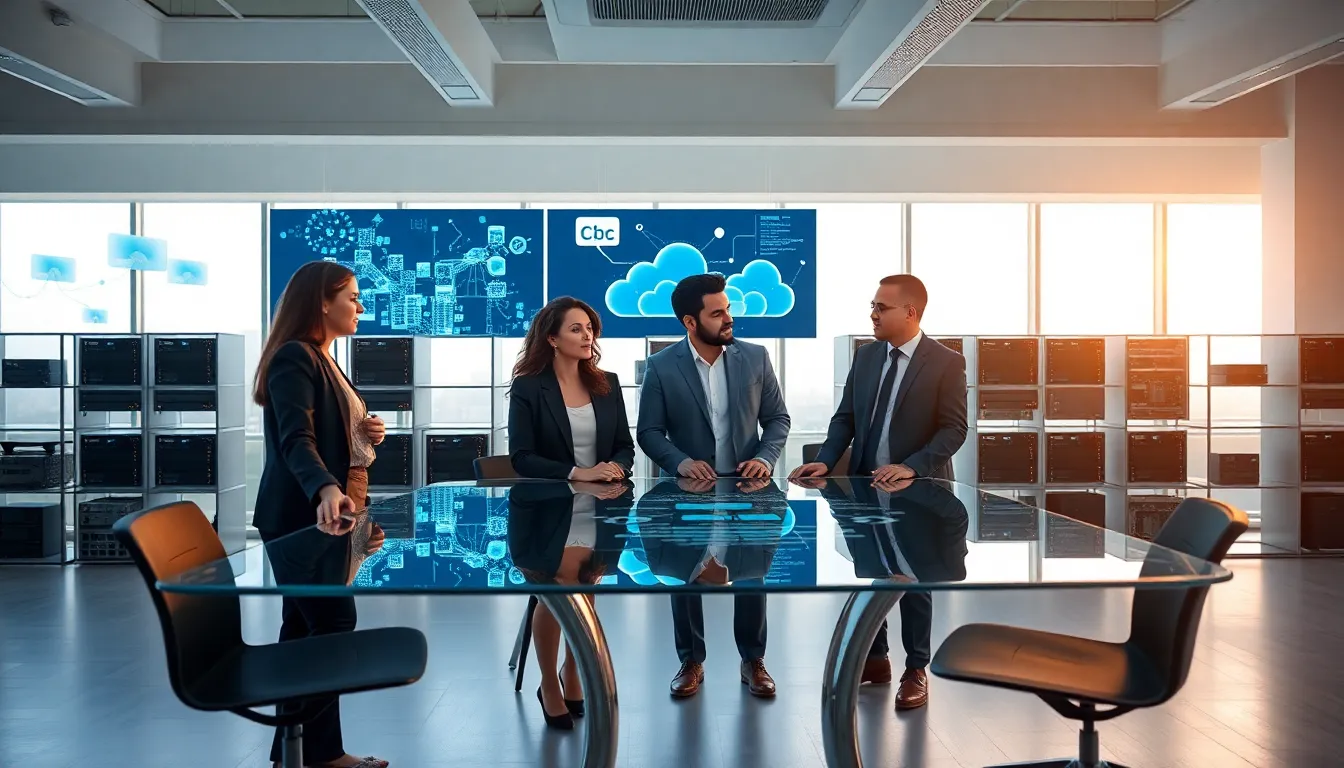
IT infrastructure is the backbone of modern organizations, supporting everything from day-to-day operations to innovative projects. But what exactly encompasses this infrastructure?
Key Components of IT Infrastructure
At its core, IT infrastructure includes hardware, software, networks, and facilities.
- Hardware: This encompasses servers, computers, data centers, switches, and routers. Each plays a vital role in storing data and facilitating communications.
- Software: Operating systems, enterprise applications, and database management systems fall under this category. They enable users to interact with the hardware effectively.
- Networks: Connectivity is paramount. There’s no point in having state-of-the-art hardware and software if they can’t communicate with each other.
- Facilities: Physical spaces, like data centers and server rooms, are designed to house all these components safely.
Types of IT Infrastructure
Various types exist, each serving different needs.
- On-Premises: Traditional setups where all resources are hosted locally. Ideal for companies with strict security requirements, yet they often involve high management costs.
- Cloud-Based: Involves remote servers accessed via the internet. This easily scales and fosters collaboration but relies on the internet.
- Hybrid: A mix of both, providing flexibility and cost-effectiveness. Companies often choose this model to enjoy the strengths of both approaches.
The Role of Emerging Technologies in IT
Emerging technologies are changing the IT landscape, enhancing capabilities and efficiencies. Let’s explore some key players in this field.
Artificial Intelligence and Machine Learning
AI and machine learning are at the forefront of this change. Businesses now use these technologies for data analysis, predictive analytics, and decision-making automation. With AI, organizations can not only sift through massive amounts of data but also draw insights that were previously unattainable. This doesn’t just save time: it can drastically improve outcomes.
Cloud Computing Transformations
Cloud computing has revolutionized how data is stored and processed. No longer constrained by physical limitations, organizations can access resources from anywhere at any time. This flexibility leads to increased productivity and decreases the hardware costs. More significantly, businesses can leverage the cloud for rapid innovation. For instance, deploying new applications and updates happens in a fraction of the time it used to take.
Internet of Things (IoT) Impact
IoT describes a network of connected devices that communicate with each other. From smart homes to populated industries, the impact is far-reaching. Companies are able to collect real-time data, leading to better operational decisions. But, it’s essential to note that as connectivity increases, so does the risk of security vulnerabilities.
Cybersecurity Innovations
The rise of new technologies brings new security challenges. This is where cybersecurity innovations come into play.
Next-Generation Security Solutions
Organizations now employ next-gen security solutions that integrate artificial intelligence. By employing these sophisticated tools, they can predict and respond to cyber threats in real-time. Automated systems enhance threat detection and response times, allowing businesses to focus on what matters without the constant fear of cyberattacks.
Adapting to New Threats
With the constant evolution of technology comes a parallel increase in cyber threats. Businesses need to be proactive rather than reactive. This involves creating robust incident response plans and continuous training for staff to recognize potential threats. In the age of remote work, cybersecurity cannot just be an afterthought, it must be woven into the organizational culture.
Future Trends in IT Infrastructure and Technologies
Looking ahead, emerging technologies continue to shape the future of IT infrastructure.
Integration of Edge Computing
Edge computing, which processes data closer to the source rather than relying on central data centers, is gaining traction. As IoT devices proliferate, this technology will reduce latency and improve response times, a critical factor for applications like autonomous vehicles and real-time analytics.
5G and Its Implications
5G technology promises unprecedented speeds and reliability. Its rollout is not just about faster internet: it opens up a world of possibilities, from smart cities to enhanced telecommunications. Organizations poised to leverage 5G will gain a significant competitive advantage.
Quantum Computing Potential
Though still in its infancy, quantum computing has the potential to revolutionize data processing. Incredibly complex calculations that were once impractical could become routine. This technology may offer unparalleled capabilities for fields such as cryptography and complex simulations.


