
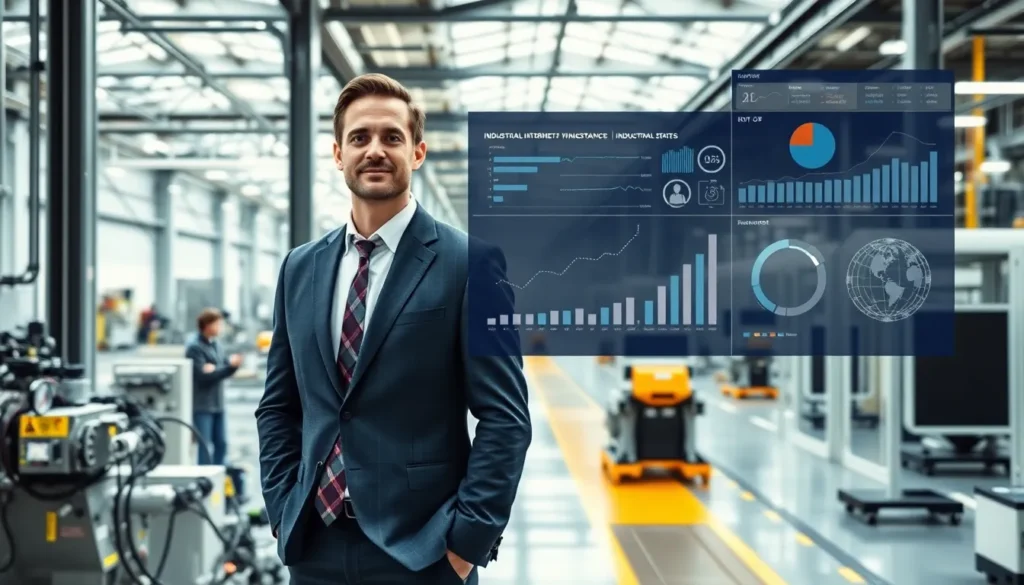
In a world where your toaster has a Twitter account and your fridge might just be plotting world domination, the terms “Internet of Things” (IoT) and “Industrial Internet of Things” (IIoT) are tossed around like confetti at a parade. But wait, are they the same thing? What makes IIoT special? Grab your favorite snack (if your fridge will let you.) because we’re diving deep into the exciting realm of connectivity.
Understanding The Basics
What Is The Internet Of Things (IoT)?
The Internet of Things, often called IoT, represents a vast network of physical devices that connect to the internet, allowing them to collect and exchange data. Think about your smartwatch tracking your heart rate or your thermostat adjusting the temperature based on your schedule. These everyday devices seamlessly communicate with each other to enhance user experience and efficiency.
What Is The Industrial Internet Of Things (IIoT)?
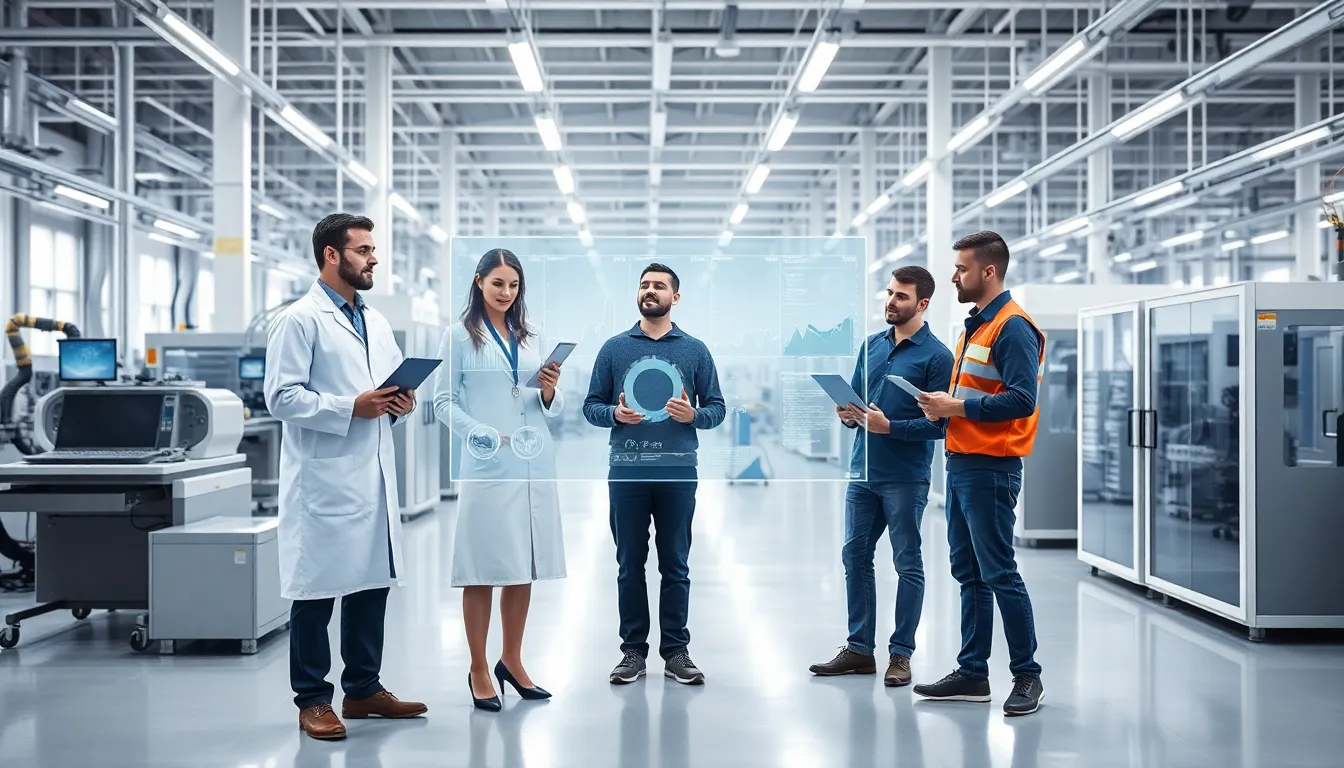
The Industrial Internet of Things takes this concept a step further by focusing on industrial applications. IIoT connects machines and devices in industries like manufacturing, energy, transportation, and even agriculture. A factory floor equipped with smart sensors can monitor equipment performance and predict maintenance needs before they become costly failures, it’s like having a crystal ball for productivity.
Key Differences Between IoT And IIoT
Application Areas
While IoT thrives in our daily lives, enhancing personal convenience, IIoT is all about maximizing productivity and operational efficiency. IoT applications include smart homes or wearable fitness devices, whereas IIoT focuses on critical areas like predictive maintenance in factories or enhancing supply chain logistics. In short, one caters to your living room, and the other dominates the workshop.
Technological Infrastructure
Another difference lies in the technological infrastructure. IoT relies on consumer-grade connectivity and devices, which often don’t prioritize security. IIoT, but, demands higher performance standards, robust security protocols, and specialized devices designed for industrial environments. In this aspect, IIoT is like a hulking truck built for rugged terrain, while IoT is more akin to a city car easily maneuverable but less reinforced.
Security Considerations
The digital world can sometimes feel like a spaghetti dinner, full of tangled threads. This is especially true in discussions around security. IoT devices are notorious for weak security measures, making them easy targets for hackers. One poorly secured smart device could compromise an entire network.
In industrial settings, the stakes are even higher. IIoT security must handle sensitive data and protect critical infrastructure that could disrupt entire operations if compromised. The implications of a security breach could range from financial loss to public safety concerns. So, an emphasis on stronger encryption, regular updates, and monitoring is essential.
Challenges And Limitations
Both IoT and IIoT face challenges, but the nature and impact of those challenges can differ significantly. For IoT, user adoption and standardization are common hurdles. Many consumers may be unaware of how to use smart devices or may fear potential privacy violations.
On the IIoT side, challenges are more technical. Integrating legacy systems with modern IIoT technology can be complex, not to mention ensuring seamless communication across various devices from different manufacturers. The industrial sector often requires extensive investments in training and infrastructure to overcome these hurdles.
Future Trends In IoT And IIoT
Both sectors are evolving rapidly. For IoT, trends like AI integration and increased automation promise even smarter devices that adapt to user preferences. In contrast, IIoT embraces more advanced technologies like edge computing, which allows devices to process data closer to where it’s generated, enhancing speed and reducing latency.
Also, as sustainability becomes more critical, both IoT and IIoT offer solutions. Smart meters can help monitor energy use, while IIoT can optimize manufacturing processes to reduce waste and enhance efficiency.


